

Demonschool Review: Movement-First Tactics That Actually Feels Fresh


By Maddox Hale · Published
Maddox Hale writes about story-driven games and the details most players miss, delivering narrative reviews, lore breakdowns, and opinion pieces.
Demonschool has a killer hook: it treats movement like the main resource, not an afterthought. When it’s clicking, fights feel like you’re solving a messy little geometry problem under pressure. When it’s not, you notice the rough edges fast.
The Best Part: Combat That’s All About Movement and Setups
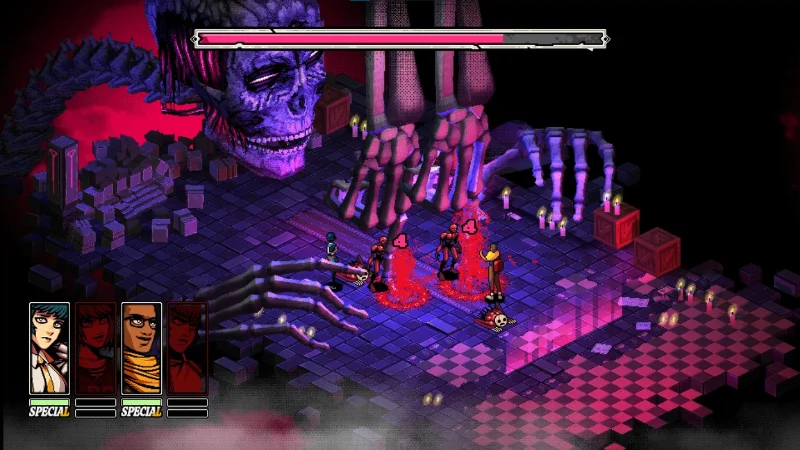
Most tactics games ask, “What skill do you cast?” Demonschool keeps asking, “Where are you standing, and where will you be in two moves?”
What that does well:
Positioning feels like offense, not just defense. You’re lining up bumps, angles, and chain moments where one good move sets up the whole turn.
Turns feel like puzzles, especially when you’re looking for clean, efficient routes instead of brute forcing damage.
Small decisions matter. A single tile of movement can be the difference between a tidy turn and a total reset.
When the combat is good, it’s the kind of good where you finish a fight and immediately want to run it back cleaner. Not because of loot. Because your brain knows you could’ve routed it better.
Where It Wobbles: Dialogue, Flow, and the Rough Edges
This is the part that splits people.
Dialogue and vibe
The vibe is strong, but the dialogue can be hit-or-miss depending on what you enjoy. If you love quirky banter and offbeat character energy, you’ll probably ride with it. If you’re picky about flow, some scenes can feel like they take the long way around a short point.
Flow and repetition
The combat system can carry a lot, but it still needs variety around it. If the loop leans too hard on similar encounters without enough twists, you start feeling the repetition even if you still like the mechanics.
Quality-of-life polish
This kind of tactics game lives or dies on friction. If menus, info clarity, or small flow stuff gets annoying, it drags the whole experience down. The core is smart. The presentation and usability need to stay out of its way.
Stuff I’d want tightened up most:
Clearer combat readability (what’s about to happen and why)
Faster navigation through common actions and menus
More encounter variety to keep the movement puzzle feeling fresh
Who It’s For: The Player Type That’ll Love It Anyway
You’ll have a good time with Demonschool if you’re looking for a demon school game where the fights are basically movement puzzles, and you’re the kind of player who:
Likes turn-based tactics, but gets bored when it turns into pure number crunching
Enjoys setups and positioning more than big damage buttons
Can handle a game that’s more about vibe + ideas than flawless polish
You might bounce off if you need:
Super tight flow with minimal dialogue detours
Lots of build depth and stat obsession
Perfect QoL from minute one
My takeaway: the movement-first combat is the reason to show up. If the devs keep sanding down the friction and add more variety to how fights unfold, this could be one of those cult favorites people keep recommending with a little grin like, “Trust me, play it the right way.”