

Player Spending Breakdown: Steam vs Roblox And Who Owns Your Wallet


By Alex David Du · Published
Alex writes about gaming, tech, and simple online income ideas, and builds projects that bring ideas to life.
If you hang out on PC, you probably have a Steam library that quietly eats your money. If you play a lot of Roblox, it is the Robux top‑ups that stack up instead. The real question is simple: when you zoom out, which of these two giants actually owns more of players’ wallets?
Below we keep it tight: what the latest numbers say, how each one makes money, and what that means for you as a player.
Steam vs Roblox: What The Latest Numbers Say About Player Spending
Let’s start with the part everyone cares about: how much money actually flows through each platform.
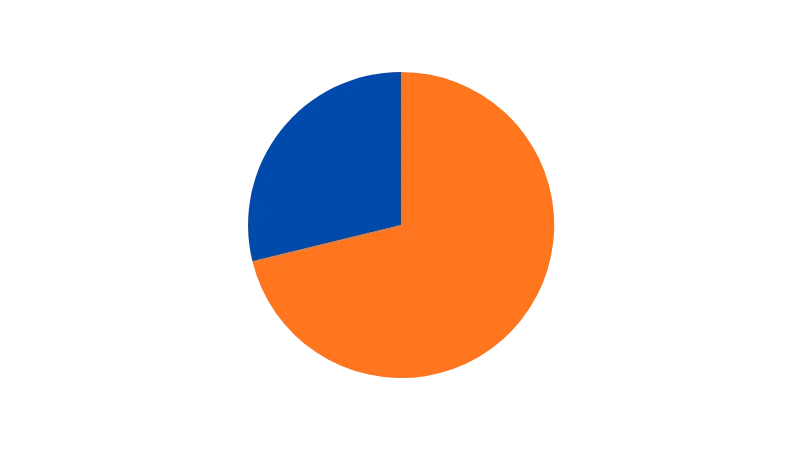
A recent Steam statistics report estimates Steam’s 2023 sales revenue at about 8.7 billion dollars, rising to 10.8 billion dollars in 2024, with around 132 million monthly active users on the platform.
On the Roblox side, the company’s own full‑year 2023 financial results show:
-
2.8 billion dollars in revenue, up 26% year over year
-
About 3.52 billion dollars in bookings (the value of Robux and related purchases before accounting rules spread it out over time)
-
An average of 68.4 million daily active users
-
Around 14.5 million monthly paying users, each responsible on average for about 81 dollars per year in bookings
If you boil that down into a simple comparison for 2023, you get something like this:
| Metric (2023) | Steam (estimate) | Roblox (reported) |
|---|---|---|
| Player spending volume | 8.7 billion dollars | 3.52 billion dollars (bookings) |
| Active users used here | 132M monthly users | 68.4M daily users |
| Rough spend per player | mid‑60s dollars / year | 51.50 dollars per daily user |
| Spend per paying player | Not disclosed | 81 dollars per monthly payer |
A couple of important details:
-
Steam’s numbers come from third‑party market estimates that combine game sales and in‑game spending into a rough revenue picture.
-
Roblox’s numbers come from its own financial reporting, where “bookings” track how much Robux players load into the system and spend.
If you are thinking about this as “who takes more total money?”, Steam wins by volume. Its store covers almost the whole traditional PC space, from huge AAA releases to tiny indies.
If you are thinking “how invested is the average active player?”, the gap is much smaller. Steam players land in a similar range to Roblox players, with Roblox payers spending a bit more on average because they are the ones doing all the Robux buying.
How Steam And Roblox Actually Make Money From Players
Steam and Roblox feel completely different when you play them, but both are basically giant money funnels pointed at games.
On Steam, the flow is pretty classic:
-
You buy full games, DLC, and expansions.
-
Many titles also sell cosmetics, season passes, or loot‑style add‑ons.
-
All of that goes through Steam’s store, where Valve takes a cut of every sale.
From your side as a player, it is mostly one‑off bigger payments. You might drop 60 dollars on a big release, then a bit more later for DLC or cosmetics. Most of your spend shows up in a few chunky transactions.
On Roblox, the flow is built around virtual currency:
-
You buy Robux with real money.
-
You spend Robux inside user‑made experiences on items, boosts, and cosmetics.
-
Roblox converts that Robux back into real money when it pays creators.
From your side, it is mostly lots of small repeat purchases. Ten dollars here, five dollars there, another cosmetic during an event, and so on. It feels lighter per click, but it can add up over months.
So even before you touch the numbers, the spending pattern is different:
-
Steam is like buying full games and expansion packs.
-
Roblox is like living inside one huge free game where you are constantly nudged to decorate, upgrade, and flex.
Who Really Owns Your Wallet, And Why It Matters For Players
So who actually owns your wallet: Steam or Roblox?
For many PC players, the answer is Steam almost by default. If you have:
-
A big library of owned games
-
A couple of live‑service titles you regularly top up
-
The occasional “it is on sale, I will grab it now” purchase
then your annual spend can easily climb into the hundreds without you touching Robux at all.
For younger players and anyone who lives inside a few Roblox experiences, the story flips. You might barely buy traditional games, but:
-
Keep a subscription or regular Robux top‑ups running
-
Spend on avatar cosmetics and game passes
-
Throw extra money at limited items or events
In that world, Roblox quietly becomes the main sink for your gaming money.
The interesting part is how the design of each platform shapes your spending habits:
-
Steam pushes you toward library building. You feel like you are collecting real games you own, even if you barely play half of them.
-
Roblox pushes you toward ongoing upgrades. You feel like you are maintaining a digital life: avatar, social circle, and favorite worlds.
Neither model is automatically better or worse, but both are built to keep you coming back and spending.
If you run a gaming site or create content, these numbers help explain:
-
Why so many PC developers still chase Steam first.
-
Why more studios and solo creators are experimenting with Roblox as a money‑making path.
-
Why players can feel broke even when the games themselves are “free”.
The short version: Steam owns more of the traditional gamer wallet, Roblox owns more of the virtual world wallet, and the line between those two is getting thinner every year.
If you look at your own habits and add up every Steam discount buy and every Robux purchase, you will probably see exactly which one has the tighter grip on you.